|
|
|
|
Today, February 4, is World Cancer Day.
World Cancer Day, observed every year on February 4, is a global call to raise awareness about cancer, encourage prevention, and mobilize action. The 2025–2027 campaign, “United by Unique,” centers people—not just diagnoses—recognizing that cancer is deeply personal and that compassionate, inclusive care leads to better outcomes. It reminds us that behind every statistic is a human story, and that progress requires collective action grounded in empathy.
In the United States, HPV cancer prevention is a powerful example of how awareness and action can save lives. HPV causes six types of cancer affecting everyone. Yet at least 90% of HPV‑related cancers are preventable through timely vaccination, routine cervical screening, and early intervention. On World Cancer Day, HPV prevention highlights the importance of meeting people where they are—ensuring access to accurate information, equitable health care, and preventive services that respect individual and community needs.
World Cancer Day challenges us to look beyond disease and focus on people, while also acting on what we know works. By promoting HPV vaccination, supporting cervical screening, and reducing barriers to care, the United States can move closer to a future where fewer families face preventable cancers. Together, united by our unique experiences, we can turn awareness into action and help rewrite the future of cancer prevention—one person, one community at a time.
If you have information to share in upcoming newsletters, please email us at PreventHPV@stjude.org.
HPV vaccination is cancer prevention.
|
|
|
|
|
|
|
|
Updates on the Current Vaccination Landscape |
|
|
Changes to the U.S. Vaccination Schedule |
|
|
Recent changes to the U.S. Childhood and Adolescent
Immunization Schedule announced by HHS and endorsed by the CDC have generated significant concern among public health and medical organizations, clinicians, and vaccine manufacturers. Expert groups emphasized that the changes—particularly around HPV vaccination—were made without the usual transparent, expert-driven review process involving ACIP and CDC. This deviation has created confusion for clinicians and families and risks undermining trust in vaccination guidance. Merck has stated it will maintain its current FDA-approved vaccine labeling while reviewing how to communicate differences between the federal schedule and product indications. The American Academy of Pediatrics released its 2026 vaccination schedule, which for the first time in 30 years is not aligned with the CDC schedule. The American Academy of Pediatrics 2026 schedule has been endorsed by 12 medical groups representing 1 million health care professionals. The next ACIP meeting is scheduled on February 25-27 and may have implications for implementation of the new CDC schedule as compared to previous.
|
|
|
Reduced Dosing of HPV Vaccination in the U.S. |
|
|
Evidence supporting a one‑dose HPV vaccine schedule is
growing. Large trials, including the ESCUDDO study, show one dose can be non‑inferior to two doses for preventing HPV‑16/18 infections, which cause most cervical cancers. Currently, 89 countries, including the United Kingdom and Australia, recommend a single dose, often delivered through school-based programs that improve coverage and early protection. However, important uncertainties remain: up to one‑quarter of recipients may not mount adequate antibody responses after one dose, durability beyond five years is unknown, and protection against non‑cervical HPV diseases and in males has not been fully studied. Further, the recent move by HHS Secretary Kennedy and CDC to move to a one-dose recommendation in the U.S. was made without standard expert review. While the evidence is promising,
process matters. U.S. professional organizations, including the American Academy of Pediatrics and American Cancer Society, continue to recommend completing the full HPV vaccination series, citing the need for stronger evidence and formal guideline review.
|
|
|
Learn More about the Current Vaccination Landscape |
|
|
|
|
|
|
|
Things Newer than HPV Vaccination: Bad Bunny in the Spotlight |
|
|
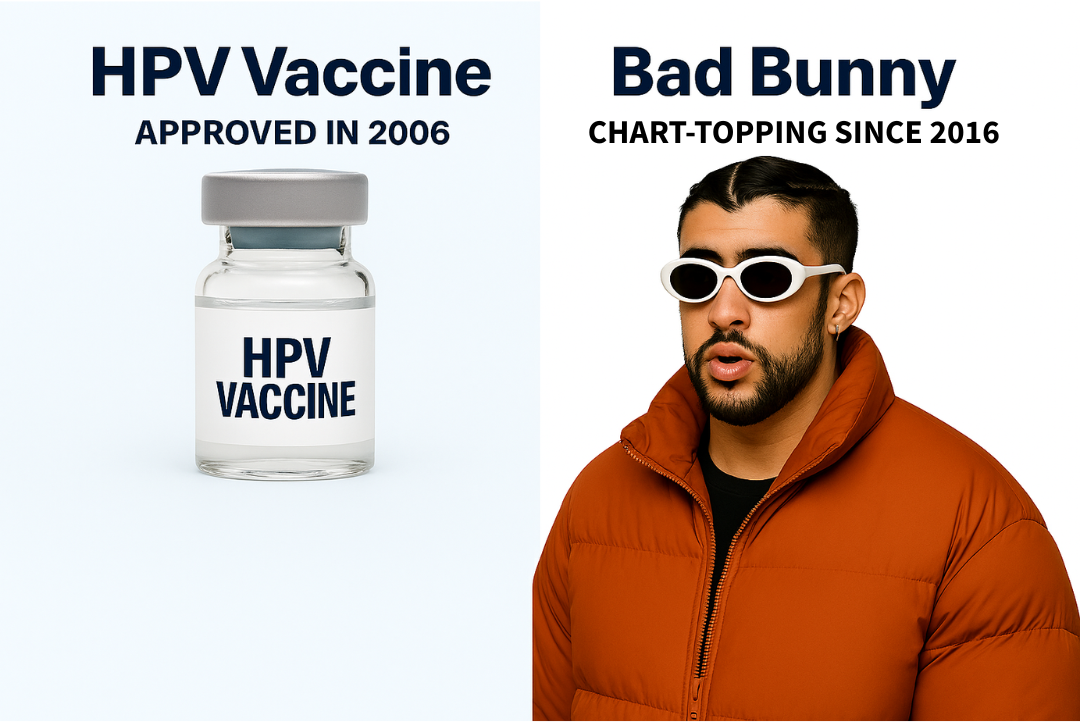
Twenty years ago, the Rolling Stones performed the Super Bowl XL halftime show in February 2006. It seems like it was forever ago, right? That same year, marked a major milestone in public health with the introduction of HPV vaccination in the United States, approved by the FDA to prevent HPV infections leading to 6 HPV cancers. This year, the Super Bowl LX halftime show will be headlined by “Bad Bunny” (Benito Martínez Ocasio) whose career began in 2016, making his career 10 years newer that HPV vaccination.
|
 |
|
|
|
|
|
New RRP Treatment Guidance Reinforces the Power of HPV Vaccination |
|
|
The Recurrent Respiratory Papillomatosis Foundation (RRPF) released a landmark Position Statement outlining a modernized management algorithm for adults with recurrent respiratory papillomatosis (RRP), a chronic disease caused by low‑risk HPV types 6 and 11, which incorporates newly available medical management options that can supplement or replace traditional papilloma debulking procedures.
Following the FDA’s 2025 approval of zopapogene imadenovec—the first HPV‑specific immunotherapy—and growing evidence supporting systemic bevacizumab, RRPF now recommends HPV‑specific immunotherapy as first-line medical treatment for patients seeking to avoid repeat procedures, with bevacizumab as second-line therapy. The Statement also emphasizes HPV typing, multidisciplinary care, and shared decision-making, and highlights the role of HPV vaccination in reducing recurrences and preventing HPV-related disease across the lifespan.
|
 |
|
|
|
|
|
February is Black History Month |
|
|
Tamika Felder, Founder and Chief Visionary of Cervivor, was recently featured in ESSENCE’s article, “I
Misunderstood the Signs”: Two Black Women Share the Early Cervical Cancer Symptoms They Almost Missed. In the article, Tamika reflects on her cervical cancer diagnosis, acknowledging that she had gone longer than recommended between cervical cancer screenings—three or four years—and later needed a radical hysterectomy to save her life. After a long and challenging journey through cancer treatment and healing, Tamika transformed her pain into purpose, becoming a leading national voice for cervical cancer prevention.
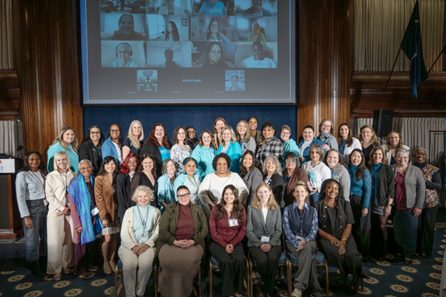
As we honor Black History Month, Tamika’s story is a powerful reminder of the urgent need to address cervical cancer This year also marks 21 years of Cervivor, the survivor‑led organization Tamika founded to build community, amplify survivor voices, and ensure no one faces cervical cancer alone. Cervivor’s two decades of advocacy, storytelling, and education continue to inspire action and promote HPV vaccination and cervical cancer screening as tools of empowerment and prevention in communities across the country.
|
 |
|
|
|
|
|
|
Preparing for HPV Awareness Day 2026 |
|
|
St. Jude HPV Cancer Prevention Program Celebrates Five Years on March 4 |
|
|
The St. Jude HPV Cancer Prevention Program will celebrate five years of reach and impact since the program formally launched on HPV Awareness Day on March 4, 2021.
Each year, in recognition of HPV Awareness Day, the St. Jude HPV Prevention Program has hosted a series of webinars leading up to and on HPV Cancer Awareness Day. This year’s seminars will be pre-recorded and published to our webpage on or before March 4, 2025. The seminars will provide our partners – current and prospective – with the opportunity to hear directly from members of the HPV Cancer Prevention Program team and subject matter experts as we highlight progress made across some of our program’s key priorities:
This year’s seminar series also will highlight collaborative efforts of the St. Jude HPV Cancer Prevention Program and the Community Engagement and Outreach (COE) Office of the St. Jude Comprehensive Cancer Center.
Together, these efforts reflect the partnerships, dedication, and shared commitment that continue to drive our work forward.
Stay tuned—our pre-recorded webinars will be released on March 4, 2026 on HPV Awareness Day.
|
|
|
International HPV Awareness Day Campaign, 2025-2026 |
|
|
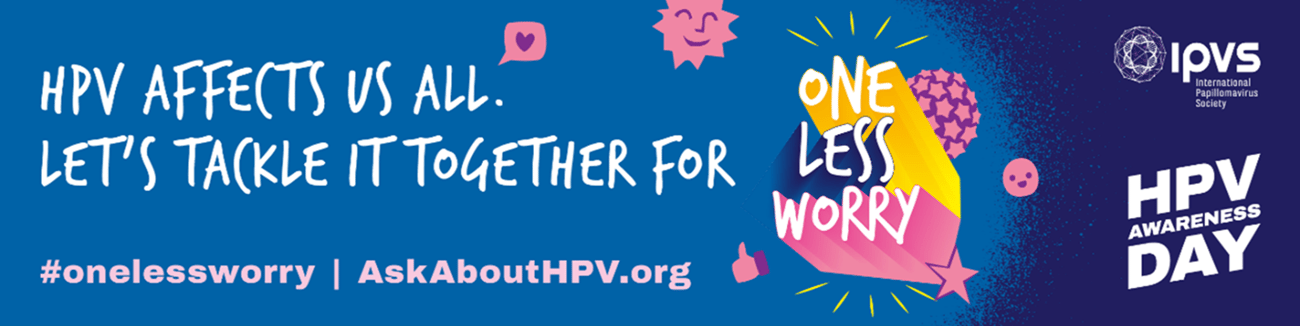
World Cancer Day on February 4 marks the official launch of the International HPV Awareness Campaign 2026, under the theme “One Less Worry”, which culminates on March 4, International HPV Awareness Day. All voices are needed to raise awareness of HPV and related diseases.
The International Papillomavirus Society (IPVS) has a library of great resources available for your organization to use and share as part your efforts to bring attention to these preventable HPV-related cancers.
The last couple of years, the IPVS campaign network has found a great recipe for engaging people - personal HPV stories from real HPV cancer survivors, told in their own language, closing with a clear call to action to get informed, get vaccinated, and get screened. Building on this formula IPVS is capturing and sharing more stories of lived experience from HPV cancer survivors and their family members to help spread the word about HPV and inspire action.
|
|
|
|
|
Three easy things to do to support the International HPV Awareness Campaign 2026. |
|
|
Add the image below – HPV Affects Us All – to your email signature during the campaign high season (from now until March 4) to raise awareness about HPV Awareness Day.
Share an inspiring HPV story from AskAboutHPV.org on your preferred communication channel (email, Facebook, Instagram, X, or LinkedIn). Please add the hashtags #OneLessWorry and #AskAboutHPV to your messages so we can track your impact.
Share an HPV fact or build a social post with the social post builder.
If you would like to do more to promote local public awareness, there are lots of great ideas to help in the IHAD 2025-26 Campaign Guide.
Learn more at https://askabouthpv.org/.
|
 |
|
|
|
|
Improving Rural HPV Vaccination Coverage |
|
|
Join Us for Preventing HPV Cancers with Rural Communities: Updates and Opportunities Quarterly Meetings in 2026 |
Join us for our first Preventing HPV Cancers with Rural Communities: Updates and Opportunities meeting of 2026 on February 19 from noon–1 p.m. Central Time. This session will orient rural partners to key updates, new resources, and priorities guiding our work in 2026. We’ll begin with an overview of current efforts, the updated rural HPV vaccination priorities, and the year ahead—providing a grounded starting point for an informative and action‑focused session.
Dr. Heather Brandt from the St. Jude HPV Cancer Prevention Program will present an in‑depth overview of the recent changes to the 2026 U.S. childhood immunization schedule, including important updates to HPV vaccination recommendations and their implications for rural clinics, immunization workflows, and families. Her remarks will spotlight opportunities to strengthen HPV vaccination as routine and navigate communication challenges unique to rural settings.
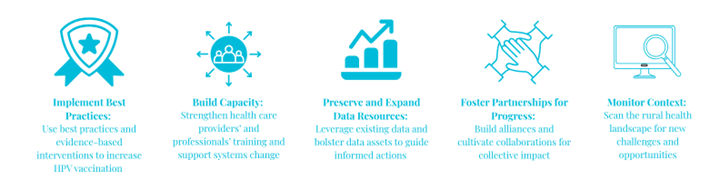
Ashley Lach from the American Cancer Society (ACS) will then introduce the ACS’ 2026 Rural Learning Community, previewing upcoming topics such as self‑collection testing, series completion strategies, small‑media approaches, and clinic‑level HPV report cards. These supports directly reinforce our rural HPV priority actions including implementing best practices, building capacity, preserving data resources, and fostering partnerships amidst a changing landscape.
|
Dates: February 19, May 14, August 20, and November 19 on National Rural Health Day
Time: All meetings are from noon - 1:00 p.m. Central Time
|
| Register Here
|
|
|
To learn more, visit the Preventing HPV Cancers in Rural Communities website or sign up to
receive the latest information on our rural HPV vaccination coverage efforts. Read the latest rural quarterly communication from November 2025 here.
|
|
|
|
|
|
|
|
Wide Open Spaces: Supporting HPV Vaccination with Rural Communities |
|
|
Improving HPV Vaccination through Provider Voices:
Lessons from Southern California Tribal Health Clinics |
Rural and Native-serving clinics in California are facing sharp declines in HPV vaccination, driven by misinformation, limited provider training, and lingering COVID‑19 mistrust. University of Southern California’s partnership with the Riverside–San Bernardino County Indian Health Clinic reveals providers’ firsthand experiences and effective strategies—like normalizing HPV vaccination as routine cancer prevention, using the Announcement Approach, and strengthening trust through culturally-grounded communication. These insights show how improving HPV vaccination requires more than access: it demands relationships,
clarity, and community‑informed training. Read the full article to learn how providers are reshaping HPV prevention in rural Native communities.
|
| Read the Full Article
|
About the Author: Dakota Jones is an enrolled citizen of the Lumbee Tribe of North Carolina and a second-year PhD student in Health Behavior Research at the University of Southern California. Her work spans several projects within the Initiative for California American Indian Health Research and Evaluation (I-CAIHRE) and the Cancer Care Delivery and Implementation Science team, including collaborations with the Riverside–San Bernardino County Indian Health Clinic system and the Toiyabe Indian Health Project. Dakota’s research focuses on advancing cancer prevention and HPV vaccination uptake among Native and
other underserved communities through community-engaged and implementation science approaches that promote Indigenous data sovereignty and health equity.
|
|
|
Do you have a story about HPV cancer prevention efforts with rural communities? We invite guest contributors to share information on how they are working to improve HPV vaccination in rural areas through the Wide Open Spaces article series, which is promoted in our monthly Path to Prevention newsletter, featured in our quarterly rural HPV vaccination newsletter, and posted on stjude.org/HPVrural. If you are interested in contributing to
or learning more about our efforts to improve HPV vaccination with rural communities, please email us at PreventHPV@stjude.org.
|
|
|
|
HPV Vaccination Roundtable of the Southeast |
|
|
The HPV Vaccination Roundtable of the Southeast provides support for HPV vaccination coverage across 12 states and two jurisdictions across the Southeastern U.S. The Southeast Roundtable is guided by leadership from the Executive Committee, Steering Committee, implementation teams, and general membership. The priority actions of the Southeast Roundtable focus on implementing a regionally tailored communication campaign, supporting elimination of HPV cancers beginning with cervical cancer as a public health concern, and promoting starting HPV vaccination at age 9 and other best practices.
To learn more, visit the HPV Vaccination Roundtable of the Southeast website. Join us as a member of the Southeast Roundtable to receive the latest information. Read the latest Southeast Roundtable quarterly communication from January here.
|
|
|
|
|
Communication: Develop and implement a communication campaign and messages for the Southeastern region |
The communications implementation team continues to move forward implementation of the next phase of the It’s Our Way Down South communication campaign. Updated materials are now available including Southeast “evergreen” assets in addition to materials with back-to-school taglines and imagery. There are also materials specific to providers including badge buddies, pocket cards, and reminder/recall cards.
|
Access the It’s Our Way Down South communication campaign here. If you have an upcoming in-person event and would like to have physical copies of posters or postcards, complete this request form.
|
|
|
Elimination: Develop and disseminate a plan for HPV cancer elimination in the Southeast, beginning with cervical cancer, as a public health concern |
|
|
The elimination implementation team is excited to be working closely with several states across the Southeast region to bring forth strong, focused, and carefully crafted state-level implementation plans. The group will continue to provide technical assistance and monitoring to partners across the region.
|
| Visit the Southeast U.S. Elimination Landing Page
|
|
|
Start at Age 9 and Other Best Practices: Accelerate efforts to start HPV vaccination at age 9 |
The Start at Age 9 and Other Best Practices implementation team is excited to start 2026 with lots of new opportunities. The group looks forward to sharing more updates on their new Information and Resources Guide as well as the implementation of their pilot project for medical trainees in Tennessee.
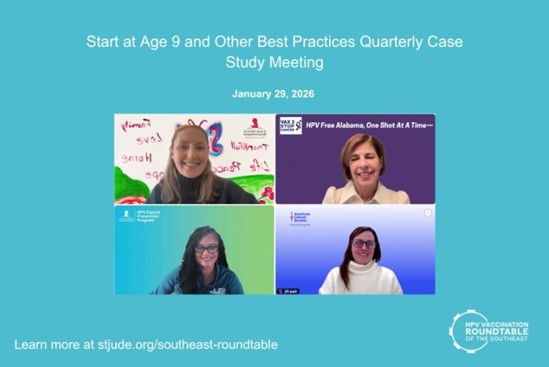
The first Quarterly Case Study Meeting of the year was held on January 29. Barbara Schuler, MPH, founder and CEO of VAX 2 STOP CANCER, and Southeast Roundtable member, shared some insightful information about her organization and efforts in starting HPV vaccination at age 9.
Please use the links below to register for the 2026 Start at Age 9 and Other Best Practices Quarterly Case Study Meetings.
|
 |
|
|
|
|
|
Memphis and Shelby County HPV Cancer Prevention Roundtable |
|
|
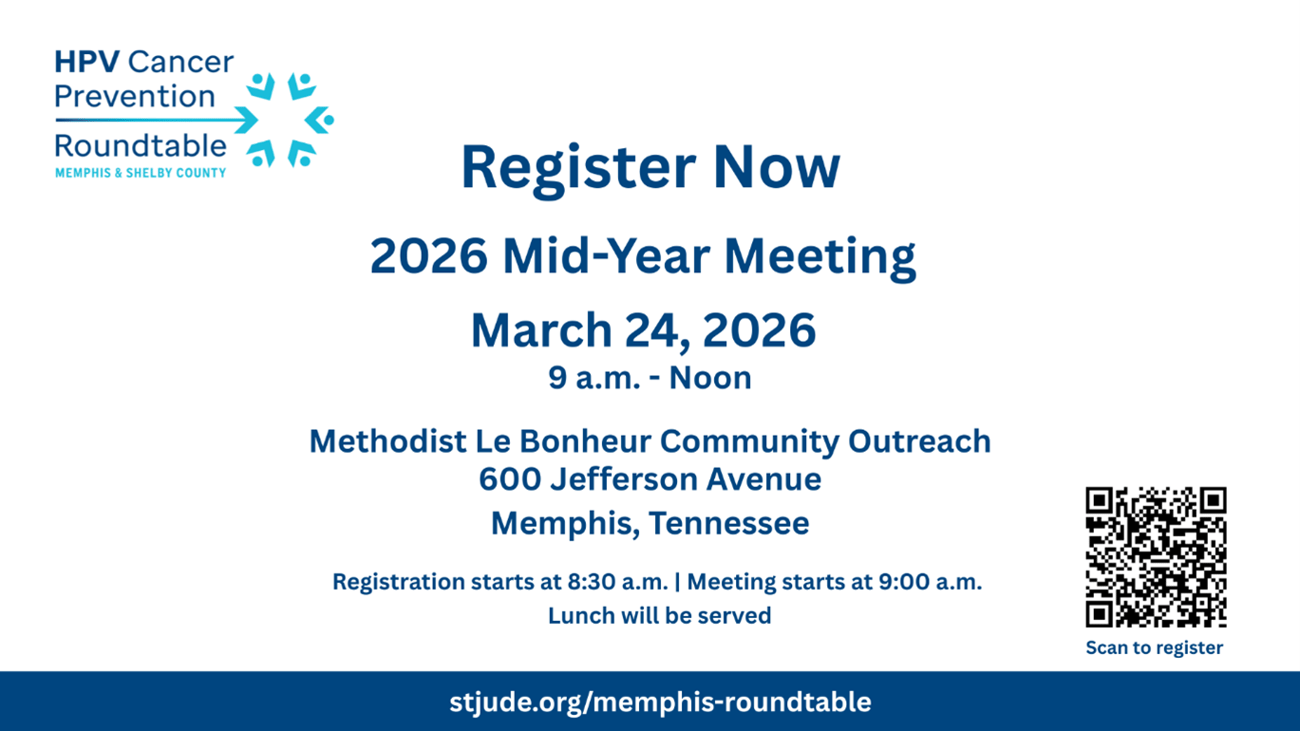
Register for the 2026 Mid-Year Meeting, March 24 |
The Memphis Roundtable is thrilled to announce that registration for the 2026 Mid-Year Meeting is officially open! This important convening underscores our shared commitment to advancing HPV cancer prevention across our community. The interactive mid-year meeting will bring together Memphis Roundtable members and partners to map out next steps in our collective efforts to prevent HPV cancers.
|
|
|
We are excited to feature Deanna Kepka, PhD, MPH as our keynote speaker. Kepka is with the Huntsman Cancer Institute and professor in the College of Nursing at the University of Utah. She founded and leads the 500-member Mountain West HPV Vaccination Coalition and is the Director of Global and International Health in the College of Nursing. Kepka is an expert in community-level cancer prevention and control research among underserved communities and promoting HPV vaccination as cancer prevention. Kepka will present on the growing national and global momentum toward eliminating cervical cancer and other HPV cancers, highlighting emerging strategies and collaborative efforts driving progress.
|
|
 |
2026 Mid-Year Meeting
March 24
9:00 a.m. to noon Central Time
|
| Register Here
|
|
|
 |
To learn more, visit the Memphis and Shelby County HPV Cancer Prevention Program website. Join us as a member of the Memphis Roundtable to receive the latest information. Read the latest Memphis Roundtable monthly communication here.
|
|
|
|
|
|
|
|
Survivor Proud: Improving HPV Vaccination Coverage among Childhood Cancer Survivors |
|
|
Survivor Proud Raises Awareness of HPV Prevention During Cervical Health Awareness Month |
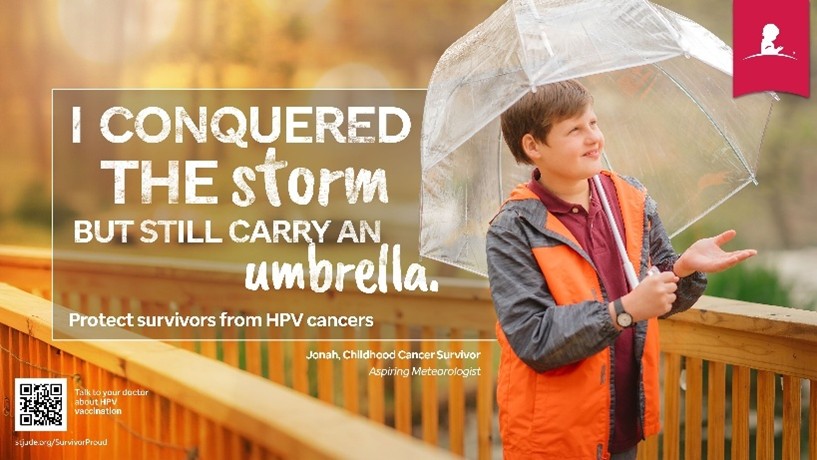
On January 13, in recognition of Cervical Health Awareness Month, the St. Jude HPV Cancer Prevention team hosted a resource table to share information about the Survivor Proud campaign for childhood cancer survivors. More than 50 parents, patients, and employees stopped by to learn more about HPV prevention and the importance of vaccination.
Throughout the event, team representatives provided details about the campaign, HPV vaccine dose recommendations, and where individuals can receive the vaccine. The team also emphasized the importance of speaking with a health care provider to make informed decisions about vaccination and preventive care.
The day included several meaningful conversations that highlighted the impact of this outreach. Representatives had the opportunity to speak with a 20-year-old patient who had just received his final HPV vaccination dose, as well as the parent of an 11-year-old who shared that she planned to talk with her daughter’s provider about her receiving her first dose during their recent visit.
These tabling events continue to be incredibly meaningful, and the team is grateful for the opportunity to interact directly with patients, families, and employees while sharing resources that support HPV cancer prevention.
|
 |
|
|
|
|
|
Partners on the Path to Prevention |
|
|
Listen to Your Body: Sarah Houston’s Cervical Cancer Survivor Story |
|
|
A research nurse
manager at the University of Alabama at Birmingham, Sarah never expected her cervical cancer journey to begin at a routine postpartum visit. After the birth of her second child in March 2021, a standard screening showed she was HPV-positive, though no abnormal cells were found. She was advised to repeat testing in a year.
Months later, subtle symptoms appeared. Her menstrual cycles became heavier, longer, and closer together, and she felt constantly exhausted. She assumed it was part of postpartum recovery and breastfeeding. In September, Sarah nearly canceled her annual appointment—but decided to go anyway. That decision changed everything.
|
|
|
Her repeat screening again showed HPV, leading to a delayed colposcopy in November. During the exam, the physician immediately
identified a cervical mass, causing heavy bleeding and prompting a biopsy. When Sarah woke from surgery a week later, doctors were nearly certain she had cervical cancer—a four-centimeter tumor that hadn’t been detected just 18 months earlier.
Three days before Christmas, Sarah underwent a radical hysterectomy and was home with her children on Christmas Day. While the surgery removed the cancer, recovery was difficult and took months.
Today, Sarah is cancer-free, three years post-surgery. Although she lost her uterus at age 34, she and her husband welcomed their third child through IVF and surrogacy. Sarah is passionate about prevention. “The HPV vaccine does not cause infertility,” she says. “Cervical cancer treatment almost always does.”
Her message is simple: vaccinate early, keep appointments, and listen to your body.
|
|
|
Turning Awareness Into Action: VAX 2 STOP CANCER Marks Six Years of Impact |
VAX 2 STOP CANCER continues to lead impactful HPV cancer prevention efforts across Alabama, marking six years of advocacy, education, and provider engagement. In a recent interview, CEO and founder Barbara Schuler reflected on the organization’s beginnings and the mission that continues to drive its work forward.
Schuler, an HPV cancer survivor since 2009, shared that her diagnosis inspired her to take action in public health and raise awareness that HPV-related cancers are preventable. With a background in chronic disease and a Master of Public Health degree, she recognized the need to strengthen provider recommendations for HPV vaccination.
The nonprofit grew out of Schuler’s experience coordinating an initiative with the Alabama Chapter of the American Academy of Pediatrics, where providers were trained on strategies to increase HPV vaccination rates. When the grant ended, she launched VAX 2 STOP CANCER to continue the work and expand resources for families and health care teams statewide.
Today, the organization equips clinical practices with parent-facing flyers and provider resources that support the Announcement Approach Training, created by Noel Brewer, PhD, which encourages HPV vaccination beginning at age nine. Schuler emphasized that these easy-to-use tools help busy providers stay focused on prevention goals and strengthen conversations with families.
Schuler also shared plans to transition into a founder role in the near future as the organization begins searching for a new CEO. While the transition will be bittersweet, she expressed excitement about spending more time with her family and continuing to support the organization’s long-term growth.
Check out the VAX 2 STOP CANCER 2025 Impact Report.
|
|
|
|
|
|
|
Partner Activities and Updates |
|
|
ACS National HPV Vaccination
Roundtable Emerging Leaders Fellows Showcase, February 18-19
|
|
|
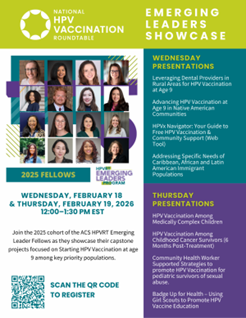
The American Cancer Society National HPV Roundtable will host the 2025 Emerging Leaders Showcase, featuring emerging leader fellows as they present their capstone projects focused on advancing HPV vaccination initiation at age 9 among priority populations. The virtual showcase will take place on February 18-19 from noon to 1:30 p.m. Eastern Time. Over two days, emerging leader fellows will share their innovative capstone projects aimed at improving HPV vaccination. This showcase will offer a unique opportunity to learn from emerging leaders working to strengthen HPV vaccination efforts nationwide. The showcase includes two members of the St. Jude HPV Cancer Prevention Program team -- Julia Brown, MPH, program manager and Pragya Gautam Poudel, DrPH, postdoctoral fellow.
|
|
|
Mission Possible: Eliminating HPV
Cancers in North Carolina, February 26
|
|
|
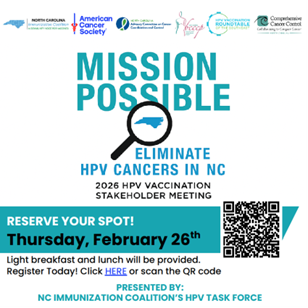
Hosted by the North Carolina Immunization Coalition’s HPV Task Force, this in‑person gathering will bring together HPV champions from across the state under this year’s theme: Mission Possible: Eliminate HPV Cancers in NC. The meeting will provide a collaborative space to share successes and challenges, exchange best practices, and identify strategies to reduce HPV cancers—starting with cervical cancer. Registration is free, and a light breakfast and lunch will be provided. Attendees should arrange their own travel, though limited assistance may be available. Space is limited—early registration is encouraged. Please contact ljmckamey@novanthealth.org with any questions.
|
|
|
Federal Vaccine Policy Shift and
State-Level Implications, February 27
|
|
|
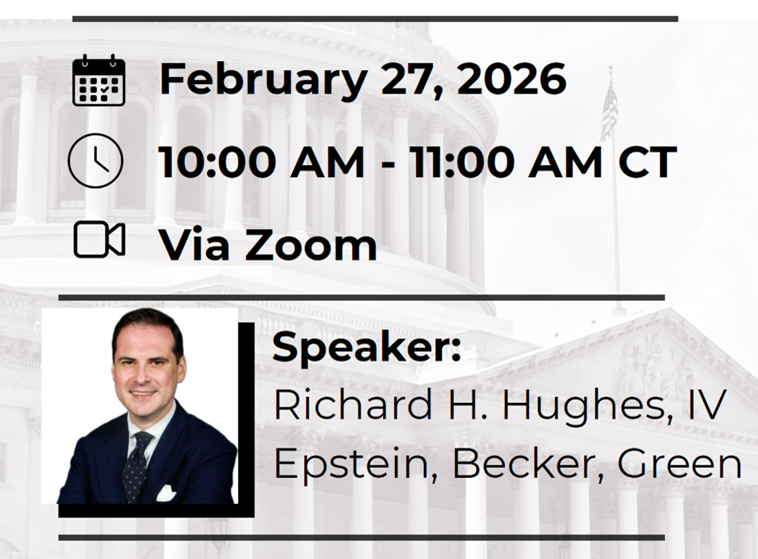
Join our partners at The Immunization Partnership on February 27 from 10-11 a.m. Central Time for a discussion on recent federal vaccine policy changes and an exploration of state legislative priorities and pathways for action.
|
| Register Here
|
|
|
HPV Elimination Leading Progress
Statewide (HELPS) Annual Summit, March 4
|
|
|
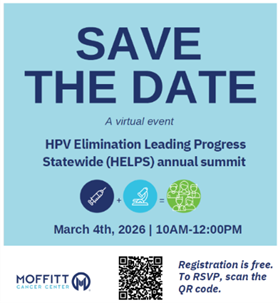
The annual HELPS summit will take place virtually on March 4. The summit will bring together leaders, advocates, community partners, health professionals and students to learn, connect, and continue advancing efforts to eliminate cervical cancer in our Florida communities. The year’s summit will highlight efforts and lessons learns from initiatives to eliminate cervical cancer in other states, survivor perspectives, and a focused discussion on Florida’s Cancer Plan, with particular attention to cervical cancer and control across the state.
|
| Register Here
|
|
|
Upcoming Webinar: HPV‑Associated
Oral Diseases in People With HIV, March 18
|
|
|
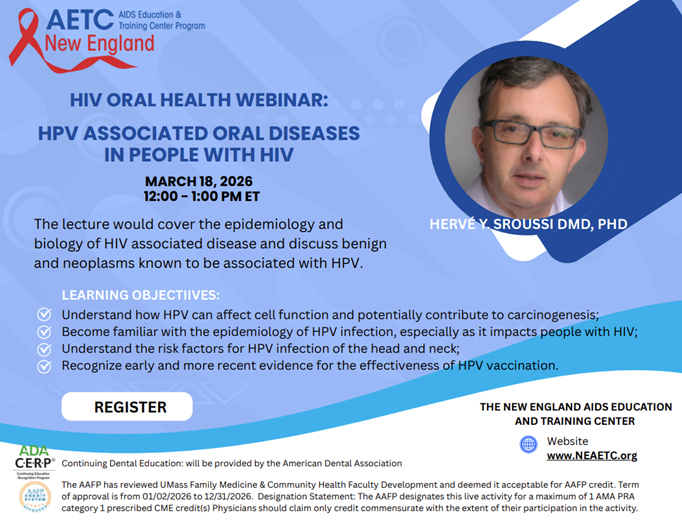
The New England AIDS Education and Training Center Program will host an HIV Oral Health webinar, “HPV‑Associated Oral Diseases in People With HIV,” on March 18 from noon to 1 p.m. Eastern Time. The session will be led by Hervé Y. Sroussi, DMD, PhD, and will explore the biology and epidemiology of HPV‑related oral disease, including both benign and malignant conditions.
Participants will learn how HPV affects cellular function, key risk factors for head and neck HPV infections, the impact of HPV among people with HIV, and evidence supporting HPV vaccination. CME and CDE credits are available. This webinar is an important opportunity for clinicians, dental professionals, and HIV‑serving organizations to strengthen HPV‑related oral health knowledge and support prevention efforts.
|
|
|
Save the Date: VAX 2 STOP CANCER
Annual Luncheon, April 14
|
|
|
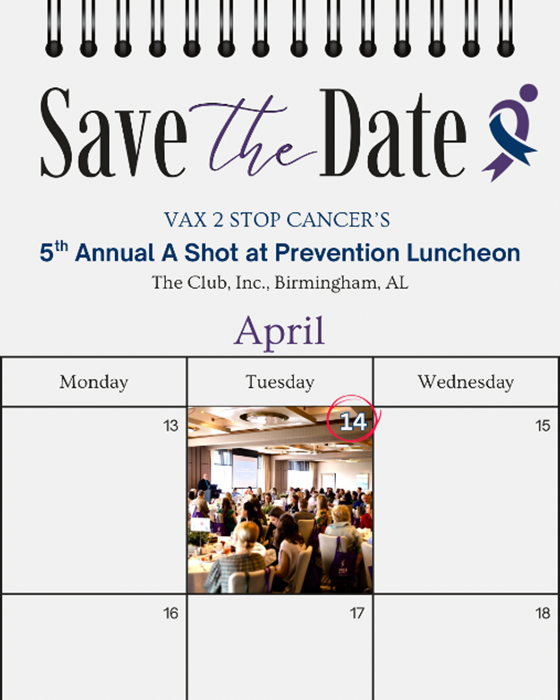
Save the date for the VAX 2 STOP CANCER Fifth Annual “A Shot at Prevention” Luncheon, taking place on April 14 at 11:30 a.m. Central Time in Birmingham, Alabama. Stay tuned for the announcement of the keynote speaker, who will be sharing their inspiring survivor story. For more information, click here.
|
| Learn More
|
|
|
Immunize Arkansas HPV Summit, May
8
|
|
|
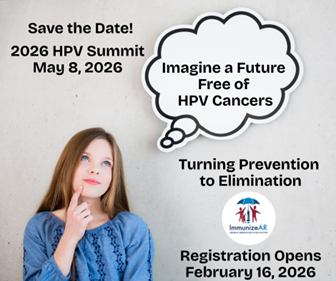
Immunize Arkansas will host its annual HPV Summit on May 8 from 8:00 a.m. to 4:30 p.m. Central Time. The meeting will highlight strategies to turn HPV prevention into cancer elimination by strengthening the connection between HPV and cancer, equipping providers with tools to discuss the benefits of the HPV vaccine, and sharing best practices to increase HPV immunization rates.
|
|
|
Elimination is Happening in
Louisiana: Bayou Blueprint
|
|
|
Louisiana has officially released their elimination plan: The Bayou Blueprint. The Bayou Blueprint reflects the resilience and interconnectedness of Louisiana’s culture and landscape and signals the intentional, strategic, and collaborative process behind this roadmap. Inside the Bayou Blueprint, find strategic pillars – HPV vaccination, screening, and follow-up care – essential for eliminating HPV cancers, starting with cervical cancer. In addition, the plan includes data-driven guidance, voices from Louisiana, and tailored strategies for success.
This plan builds on the incredible work already happening across Louisiana and aims to spark new collaborations and share best practices. It reflects the dedication and leadership of partners like you who have helped advance cervical cancer prevention and care across the state. By aligning efforts and establishing shared goals, we can collectively reduce the burden of cervical cancer and protect our communities.
|
|
|
|
|
Virginia Releases New Statewide
Immunization Plan
|
|
|
Virginia has launched the 2026–2031 Virginia Immunization Plan (VIP), developed by ImmunizeVA with broad stakeholder input to strengthen immunization systems and improve vaccination rates statewide. The plan prioritizes narrative change, training, and access, with strategic goals to build vaccine confidence, expand community-based vaccination, and foster a stronger culture of immunization across health care, policy, and legislation. HPV vaccination is a key focus, emphasizing trusted messengers, enhanced provider training, and innovative access points to prevent HPV-related cancers across Virginia.
|
|
|
|
|
Tennessee Families for Vaccines:
What Moms Want. What Kids Need. Campaign Materials
|
|
|
Tennessee Families for Vaccines (TNFV) is pleased to announce that What Moms Want. What Kids Need. campaign materials are now available to clinics, health care providers, and community partners statewide. These evidence-based resources support confident vaccine conversations and promote access to routine childhood immunizations. Partners may request downloadable .png and .pdf files through a brief form, with printed 8.5 x 11 posters also available. All materials are co-brandable, allowing organizations to add their logos alongside TNFV’s to demonstrate a shared commitment to protecting children from vaccine-preventable diseases.
|
|
|
|
|
|
|
Team Question: Power in Purpose |
|
|
February reflections often center on themes of love, connection, Black history and
diversity, winter's end, and personal growth as the year progresses. Recently, members of the St. Jude HPV Cancer Prevention Program team have been discussing the book and tools associated with Life on Purpose: How Living for What Matters Most Changes Everything by Victor J. Strecher. Team members completed the “Values Identity Chart” exercise to explore alignment with various identities and how these archetypes inform purpose statements. Leading with compassion, integrity, and intentionality while nurturing meaningful relationships were points of emphasis in across the purpose statements of St. Jude HPV Cancer Prevention Program team members. Members of the team share a few thoughts about their purpose in the following excerpts.
“My purpose is to create meaningful, people-centered impact while continuing to grow into the best version of myself. I strive to live and work with intention and compassion as I support efforts that improve health care.” – Akeria Taylor, program coordinator
“My purpose is grounded in advancing equity for underserved and overlooked voices by doing what’s right, even when no one is watching. As a Giver and Achiever, I’m motivated by regret-free living and the belief of “why not me?”—using my gifts to help others reach their goals while creating healthier, more meaningful lives for us all.” – Andrea Stubbs, administrative director
“My purpose is to inspire people and communities to creatively and innovatively advance public health solutions that create meaningful impact for the world we share together.” – Julia Brown, program manager
“My purpose is to prioritize my health and happiness in addition to that of my family and friends. My purpose is to lead with kindness and extend my generosity and empathy even to those I may only encounter in passing. My purpose is to recognize and nurture meaningful connections with those in all areas of my life. My purpose is to give my best effort every day, in the capacity that I have. My purpose is to use my creativity and energy to be proactive and drive success for myself and those around me.” – Maddy McNee, program coordinator
“I work with curiosity and intention, striving to deepen understanding and contribute in ways that support progress toward a world where dignity, justice, and health equity are truly realized.” – Nicole Williams, program coordinator
“My purpose is to lead with compassion, support others in growing and thriving, and continually challenge myself to learn and become wiser. I embrace life with joy and enthusiasm, striving to inspire others as we work together to increase HPV vaccination rates and create lasting positive change.” – Portia Knowlton, program coordinator
“My purpose is to live and work with compassion, kindness, integrity, and responsibility by building meaningful relationships, contributing positively to my community, and leaving things better than I found them. I value balancing personal and professional growth with responsibility while contributing high-value work that serves others and supports community well-being.” – Pragya Gautam Poudel, postdoctoral fellow
“My purpose is to live with intention, lead with compassion and love, and contribute to healthier, more informed communities. I strive to make thoughtful choices, nurture meaningful relationships, honor personal values and leave a positive impact through service and integrity. I believe true fulfillment comes from balancing growth, connection, and purpose across all areas of life.” – Samantha Wells, program coordinator
“My purpose in life is to grow continuously while using my skills and voice to make a positive, lasting impact” – Ursula Leflore, senior administrative coordinator
“My purpose is to serve as a servant leader who uplifts and advocates for others, leads by example, and creates conditions for shared personal and professional growth. I strive to give my best, inspire others to do the same, and intentionally advance equity—especially for those who have been disadvantaged. Guided by love, kindness, and integrity, I seek to create lasting impact and contribute to a more just, compassionate, and opportunity-rich world.” – Heather Brandt, director
|
 |
|
|
|
|
|
Get Free St. Jude HPV Education Materials |
|
|
The St. Jude HPV Cancer Prevention
Program has created a series of HPV fact sheets that emphasize basic information about HPV vaccination and include action steps to prevent HPV cancers.
|
Four versions of the fact sheets target various audiences:
- General public
- Parents
- Health care providers
- Cancer patients and families
- College students
- Faith community
|
Select the versions in English or Spanish most appropriate for those you serve. Download the fact sheets or email PreventHPV@stjude.org to have copies mailed to you.
|
| Find More Materials
|
|
|
|
|
|
About the HPV Cancer Prevention Program |
|
|
St. Jude Children's Research Hospital
is leading the way the world understands, treats and cures childhood cancer and other life-threatening diseases. That’s why St. Jude is raising awareness on HPV vaccination, which can prevent six types of cancer caused by the virus. As the only NCI-designated Comprehensive Cancer Center dedicated solely to children, St. Jude has an important role and responsibility in increasing the number of children who benefit from HPV vaccination and reduce their risk of preventable cancers later in life.
The St. Jude HPV Cancer Prevention Program envisions a world free of HPV cancers. Through education, promoting best practice models, and strategic partner engagement, its mission is to increase on-time HPV vaccination. On-time HPV vaccination by the 13th birthday provides safe, effective, and long-lasting protection against the most common types of HPV linked to cancers.
Learn more at stjude.org/HPV. Email PreventHPV@stjude.org with any questions.
|
|
|
|
|
|
|